News
 November 06, 2026
Tripoli Special Economic Zone and Tripoli Chamber Renew Cooperation Protocol to Support Operational Readiness and Institutional Integration
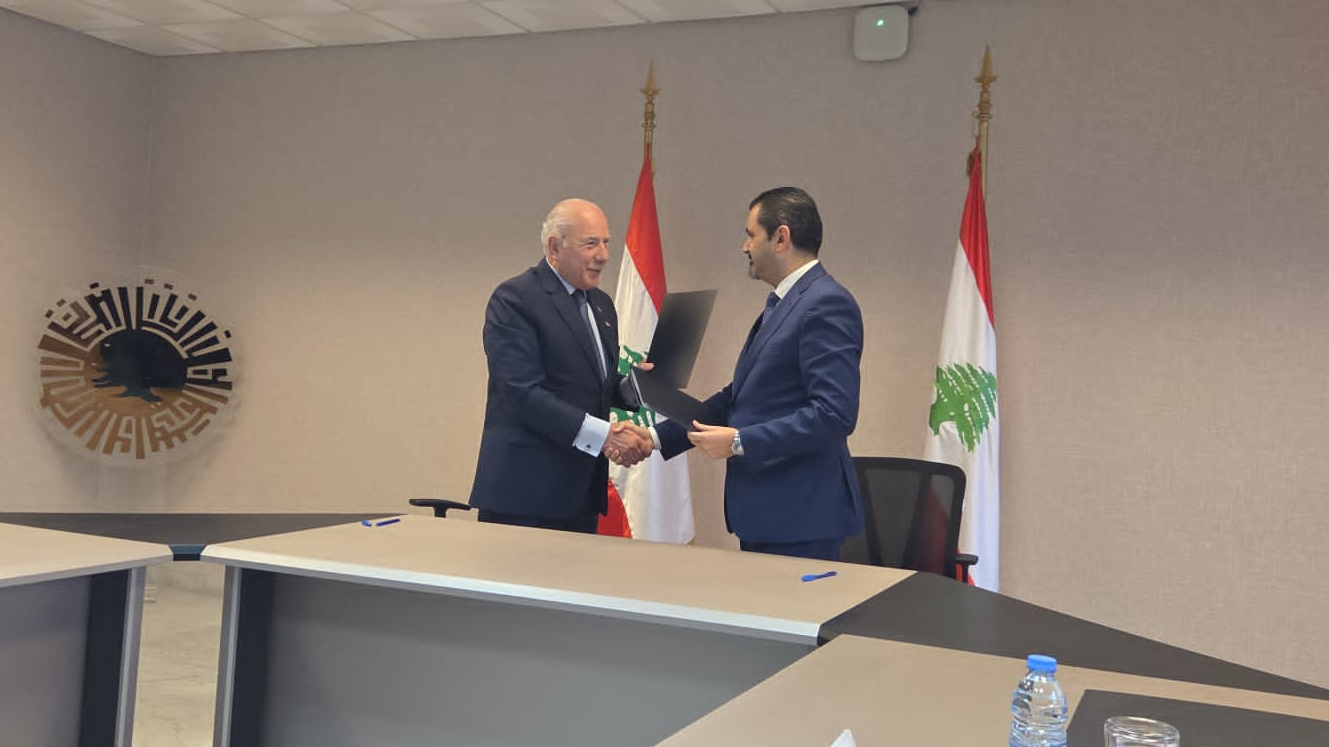
In a move marking a transition from general institutional cooperation towards more practical arrangements aligned with the operational and investment requirements of the Tripoli Special Economic Zone (TSEZ), the General Authority of the Tripoli Special Economic Zone and the Tripoli Chamber of Commerce, Industry and Agriculture have renewed their Cooperation Protocol. The renewed agreement reaffirms both institutions’ commitment to strengthening institutional integration, coordinating efforts, and creating a comprehensive business environment conducive to investment and productive projects.
The Protocol was signed by Eng. Dr. Hassan Dennaoui Chairman of the Board and Director General of the General Authority of the Tripoli Special Economic Zone, and Mr. Tawfiq Daboussi, President of the Tripoli Chamber of Commerce, Industry and Agriculture.
The signing ceremony was attended by the Chamber’s Vice Presidents, Ibrahim Fawz and Nakhil Yammin, Board Member Mustafa Al-Yamak, and Director General Linda Sultan. Representing the TSEZ, the ceremony was attended by Board Members Abdel Majid Al-Rafei, Youssef Maawad, and Ibrahim Touma. Also present were Dr. Abdel Hamid Karimeh, Mayor of Tripoli; Eng. Wael Zmerli, President of the Federation of Al-Fayhaa Municipalities; Rawad Al-Helou, Mayor of Qalamoun; Eng. Iskandar Bendali, Chairman of the Tripoli Port Investment Authority; Eng. Khaled Obeid, Director of the North Lebanon Water Establishment; Lawyer Marwan Daher, President of the North Lebanon Bar Association; Architect Chawki Fatfat, President of the Order of Engineers and Architects in Tripoli and North Lebanon; and Dr. Bilal Sayyah, Secretary of the North Lebanon Dental Association.
In his remarks, Mr. Daboussi highlighted the wealth of expertise, talent, and economic potential available across North Lebanon, emphasizing the importance of harnessing these assets through an integrated development vision. He stressed the need to strengthen public-sector institutional capacities, enhance cooperation with the private sector, and translate available opportunities into practical initiatives and viable projects. He further underlined that the development of North Lebanon is a national responsibility requiring the concerted efforts of all institutions, economic sectors, and public facilities.
For his part, Dr. Dennaoui expressed his satisfaction with the renewal of the Cooperation Protocol with the Tripoli Chamber, more than a decade after the initial agreement. He emphasized that its renewal carries particular significance at the current stage, as the TSEZ advances its institutional preparations and operational planning. He described the Chamber as a key strategic partner, given its expertise, technical capabilities, facilities, and specialized services, which can contribute significantly to supporting the Zone’s operational framework and meeting the future needs of investors and businesses.
The renewed Protocol establishes practical areas of cooperation directly linked to the operational phase of the TSEZ. These include coordination on licensing procedures and the development of mechanisms to facilitate investor services, as well as access to the Chamber’s specialized laboratories and centers, particularly its Industrial Center ( IDRAK) and Artificial Intelligence Center. Cooperation will also extend to technology, innovation, and industrial applications.
Furthermore, the agreement provides for the exchange of studies, research, and expertise, alongside coordination on the legal, technical, and procedural aspects of determining the origin of goods and issuing Certificates of Origin in accordance with applicable regulations and procedures. This cooperation is expected to strengthen trade and export-related services and support companies operating within the Special Economic Zone.
The renewal of this Protocol reflects a shared understanding that the successful development of the Tripoli Special Economic Zone depends not only on infrastructure and investment, but also on a strong network of institutional partnerships and specialized services. In this regard, cooperation with the Tripoli Chamber represents an important pillar in preparing for the Zone’s operational phase, ensuring more efficient and flexible business services, and strengthening Tripoli and North Lebanon’s position on the regional and international investment and trade map.
 October 28, 2026
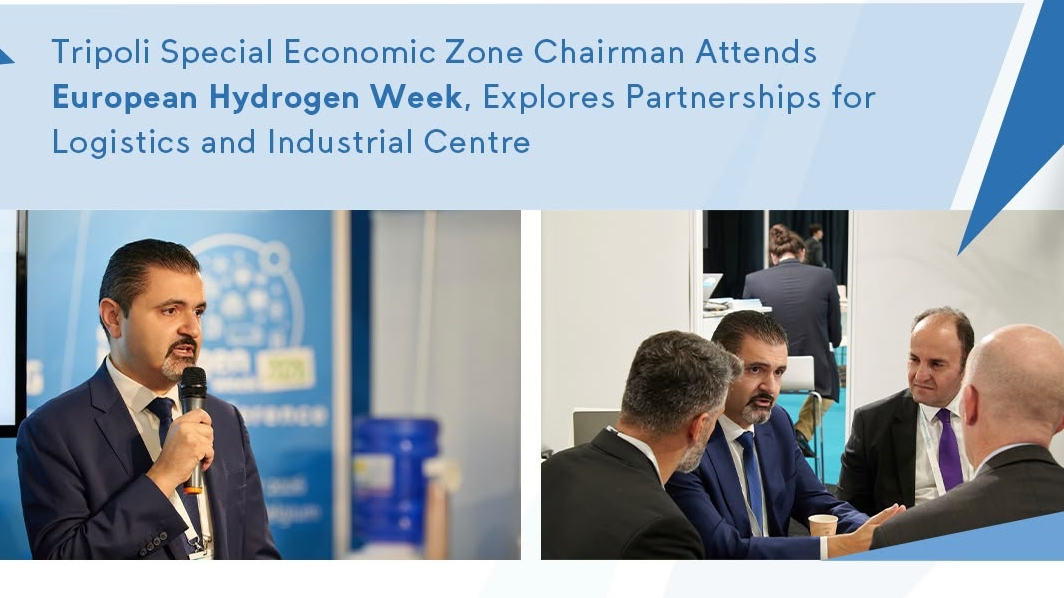
Tripoli Special Economic Zone Chairman Attends European Hydrogen Week, Explores Partnerships for Logistics and Industrial Centre
Dr. Hassan Dennaoui, Chairman of the Board of the Tripoli Special Economic Zone (TSEZ), participated in European Hydrogen Week in Brussels at the invitation of the Arab-Belgian-Luxembourg Chamber of Commerce, in cooperation with the German Agency for International Cooperation (GIZ). The visit formed part of TSEZ’s efforts to strengthen international relations and explore opportunities for cooperation and investment in its strategic development projects.
The event brought together approximately 7,500 participants, including representatives of European and international institutions, industrial stakeholders and energy project developers. It provided a platform for discussions on the future of hydrogen and clean energy, their role in enhancing energy security, economic resilience and sustainability, and the regulatory and investment challenges associated with scaling up their production and use.
On the sidelines of the event, Dr. Dennaoui held meetings with European organisations specialising in the development and operation of ports, economic zones and logistics facilities, including Euroports and the Antwerp Port Authority. Discussions focused on the proposed Logistics and Industrial Centre (ILC) at TSEZ and explored potential cooperation with international operators and developers, particularly under a public-private partnership (PPP) framework.
As part of broader efforts to strengthen diplomatic and economic engagement, Dr. Dennaoui also attended a dinner hosted by the Arab-Belgian-Luxembourg Chamber of Commerce in honour of the participating Arab companies. The gathering provided an opportunity to meet Lebanon’s Ambassador to Belgium and the European Union, Walid Haidar, alongside a number of Arab ambassadors. Discussions highlighted prospects for economic cooperation, stronger connections between Arab and European institutions, and potential support for development and investment projects in Lebanon.
The visit also offered an opportunity to explore the latest energy solutions and technologies, including renewable energy systems, and consider their potential application in developing sustainable industrial and logistics infrastructure. Reliable and competitive energy supplies are an important factor in strengthening TSEZ’s readiness to attract investment and support the development of modern industrial activities.
These priorities reflect broader discussions at European Hydrogen Week, where stakeholders emphasised the importance of clear and stable regulatory frameworks, investment incentives and the wider adoption of clean energy sources to strengthen supply security and support the transition towards a more sustainable economy.
Dr. Dennaoui’s participation forms part of TSEZ’s ongoing efforts to expand its international network, establish partnerships with European institutions and operators, and advance the Logistics and Industrial Centre towards implementation. The project aims to strengthen integration between TSEZ, the Port of Tripoli and surrounding transport networks and infrastructure, reinforcing Tripoli and North Lebanon’s potential as a regional hub for industry, logistics and trade.
 November 10, 2026
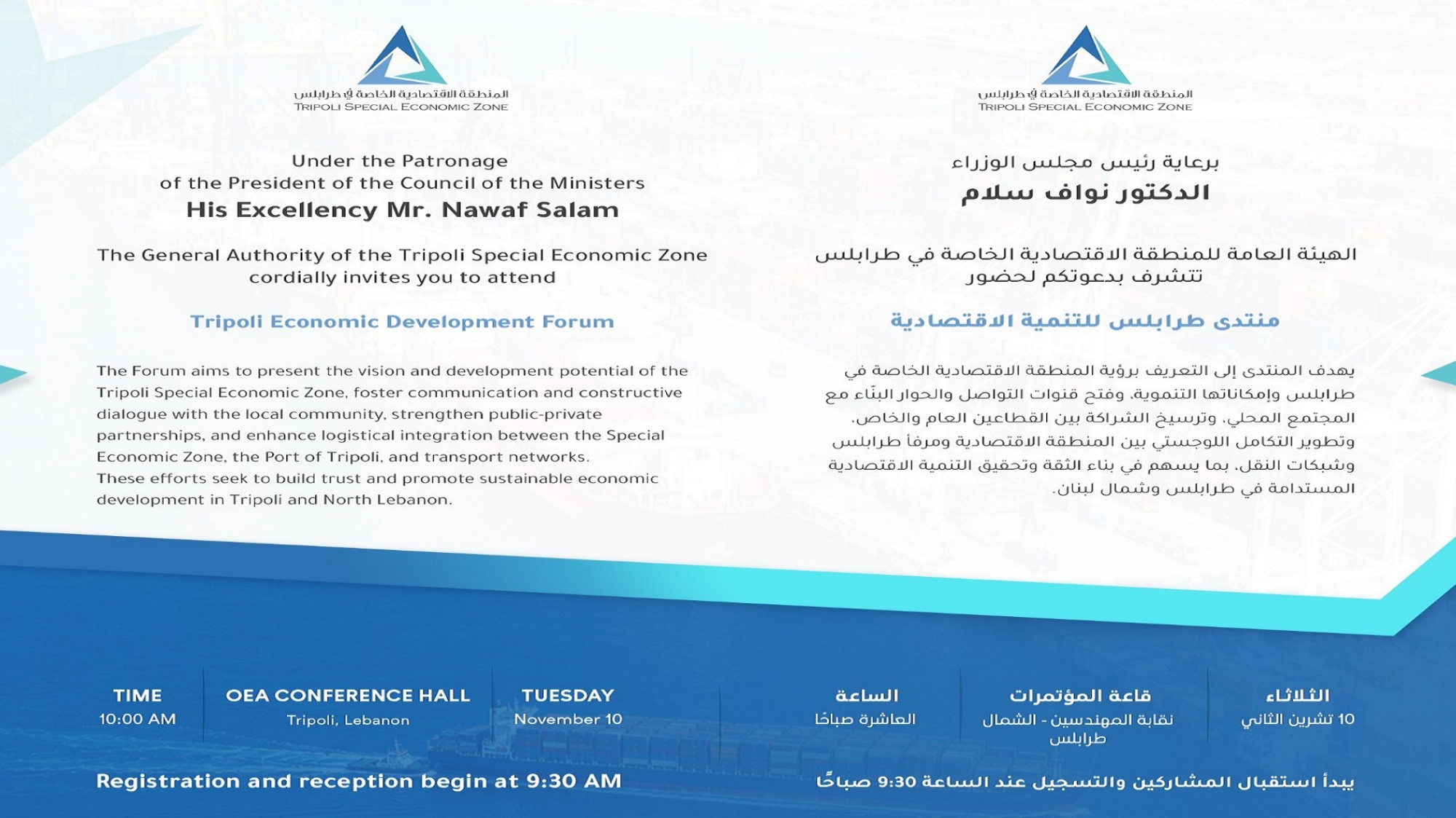
Tripoli Economic Development Forum
PART I | Launching the Vision – Institutional Foundations
09:30 – 10:00 | Registration & Welcome Coffee
10:00 – 10:05 | Opening Remarks & Forum Introduction
Mr. Ibrahim Touma – Tripoli Special Economic Zone Board Member
Welcoming participants, introducing the objectives of the Forum.
10:05 – 10:10 | Institutional Partnerships for Sustainable Development
Arch. Chawki Fatfat – President, Order of Engineers and Architects, Tripoli
Institutional cooperation, the role of the Order, and opportunities for future collaboration.
10:10 – 10:15 | Private Sector Engagement in TSEZ's Success
Mr. Toufic Dabboussi – President, Chamber of Commerce, Industry and Agriculture of Tripoli and North Lebanon
Private sector outlook, economic opportunities in the North, and the private sector's role in supporting the success of the Zone.
10:15 – 10:20 | Strategic Partnerships for Regional Connectivity
Eng. Iskandar Bendali – Chairman of the Authority of Tripoli Port
Logistics outlook, Synergy with Special Economic Zone, Future Plans and Port’s role in advancing Economic development.
10:20 – 10:30 | The United Nations' Role in Supporting Sustainable Economic Development
Mr. Imran Riza – United Nations Resident Coordinator
Strengthening the business environment, opportunities for collaboration, skills development, and the green economy.
10:30 – 10:40 | National Agenda: Economic Recovery and Balanced Regional Development
Representative of the President Of Council of Ministers, H.E. Mr. Nawaf Salam
Government support for TSEZ, the strategic role of Tripoli in Lebanon's economic recovery, and balanced regional development.
10:40 – 10:45 | Tripoli Special Economic Zone: Vision, Progress and Priorities
Dr. Hassan Dennaoui – Chairman, Tripoli Special Economic Zone (TSEZ)
Overview of TSEZ, progress achieved to date, and priorities for the next phase of development.
NETWORKING BREAK
10:45 – 11:00 | Networking Break
Open to all participants – an opportunity for relationship-building, bilateral meetings, and media coverage.
PART III | Driving Development – Economic Opportunities
11:00 – 13:00 | Panel Discussions
Panel 1: 11:00 – 11:55 — Logistics, Regional Connectivity, and Global Opportunities
Focus: Positioning Tripoli as a global logistics hub, a gateway for regional connectivity, integrating the local economy with the SEZ, sharing private-sector success stories.
Moderator: Mr. Abdel-Majid Rafihi – TSEZ Board Member
Sub-topic 1: Positioning Tripoli as a Logistics Hub
Speakers: Dr. Ahmad Tamer (Director of Port of Tripoli);
Dr. Sateh El-Arnaout (Chief Technical Advisor, Presidency of the Council of Ministers – TSEZ logistical positioning study); Mr. John Chedid ( Country Manager,DHL)
Sub-topic 2: Connecting the Local Market with the SEZ & Opportunities for SEZ Tenants
Speakers : Mr. Jacques Sarraf (Chairman of Board at Malia Group) ;
Mr. Sami Soughayar ( Chief Executive Officer- MATELEC)
11:55 – 12:00 | Open Discussion & Q&A
Panel 2: 12:00 – 13:00 — Engaging Private Sector, Bridging the Skills Gap, and Workforce Development
Focus: Engaging Private sector in the economic development process, Addressing the gap between the education/vocational sectors and the actual needs of the labour market and industries within the SEZ.
Moderator: Mr. Yousef Moawad – TSEZ Board Member
Sub-topic 1: Labour Market Gap Analysis & Employment Strategies
Speaker: Mr. Jose-Manuel Medina Checa, (Senior Specialist, Employers’ Activities at ILO Regional Office for Arab States )— insights and statistics on market gaps and workforce readiness
Sub-topic 2: Vocational Training & Local Skills Enhancement
Speakers: Mr. David Chebab (TVET Expert)
Dr. Samer Annous (Tripoli Institute for Policy Studies)
Sub-topic 3: The Private Sector's Growth Requirements and financing
Speakers: Mrs. Lara Haidar (Project Coordinator Institutional Strengthening for the Implementation of Montreal Protocol National Ozone Unit at UNDP),
Mrs. Christina Abou Char (Principal Manager, Advice for Small Businesses European Bank for Reconstruction and Development EBRD),
Mrs. Yolla Sarieddine (Deputy General Manager at Kafalat S.A.L)
13:00 – 13:10 | Open Discussion & Q&A 13:10 – 13:20 | Closing Remarks
 October 24, 2026
President Joseph Aoun Visits Tripoli Port and TSEZ Site
President Joseph Aoun Visits the Tripoli Special Economic Zone’s Industrial Logistics Center Site to Review Project Developments
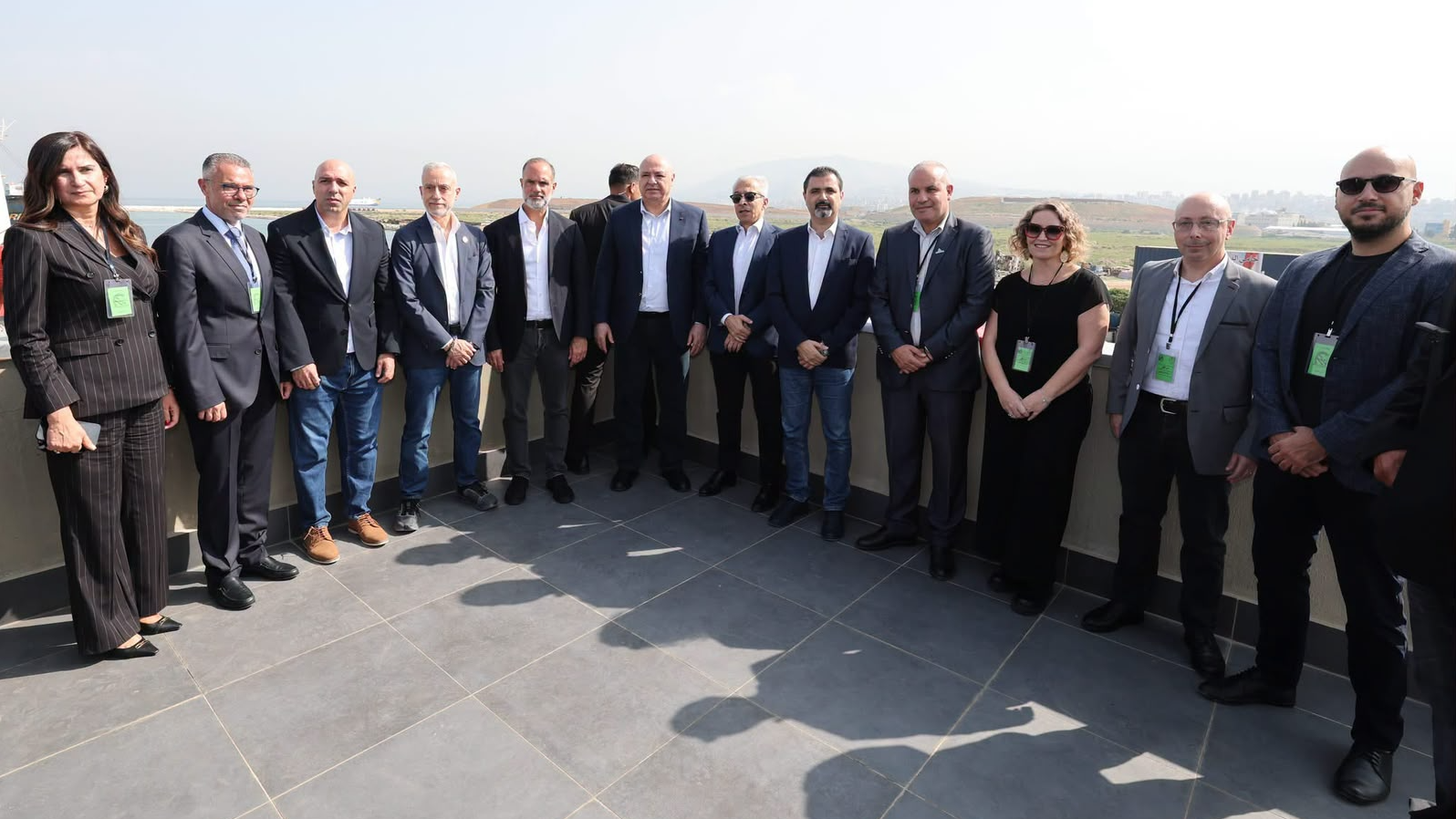
As part of his visit to the city of Tripoli, His Excellency President of the Republic General Joseph Aoun visited the site of the Industrial Logistics Center of the Tripoli Special Economic Zone (TSEZ). He was received by Dr. Hassan Dennaoui, Chairman of the TSEZ Board of Directors, alongside Board Members Hania Chahal, Ibrahim Touma, Youssef Maawad, Michel Kebbe, and Abdel Majid Al-Rafei, as well as Government Commissioner Wassim Marhaba and Secretary-General Natalie Issa El Khoury.
The President was accompanied during the visit by Minister of Interior and Municipalities Ahmad Al-Hajjar, Minister of Justice Adel Nassar, Minister of Economy and Trade Amer Bisat, Minister of Public Works and Transport Fayez Rasamny, Chairman of the Tripoli Port Authority Board of Directors Engineer Iskandar Bendali, members of the Port Authority Board, Port Director Dr. Ahmad Tamer, CMA CGM Lebanon Country Manager Joe Daqqaq, and a number of senior security officials.
During the visit, Dr. Hassan Dennaoui presented the TSEZ master plan to the President, providing an overview of the site map, its main components, and the various stages of development. He outlined the key industrial and productive activities, as well as the logistics operations expected to be attracted to the Zone. He also briefed the President on the latest developments regarding the Industrial Logistics Center project and its role in stimulating investment and strengthening economic activity in Tripoli and North Lebanon.
Dr. Dennaoui further highlighted the strategic integration of the Tripoli Special Economic Zone with the Port of Tripoli, the railway network, Qlayaat Airport, and the Rachid Karami International Fair. This integrated approach aims to establish a comprehensive ecosystem for industry, transportation, and logistics services, reinforcing Tripoli’s position as a key economic and commercial gateway for Lebanon and the wider region.
The Chairman also updated the President on preparations for the prequalification phase for international companies, which will pave the way for the international tendering process for the development and operation of the Industrial Logistics Center. He noted the interest expressed by several international companies in participating in the process, reflecting the project’s promising potential and strategic importance.
The Chairman and Board Members also emphasized the urgent need to address and close the dumpsites and landfills surrounding the Zone. They highlighted their environmental and public health impacts, as well as their adverse effects on the Zone’s ability to attract international investors and companies.
At the conclusion of the visit, the TSEZ Board of Directors expressed its appreciation for the President’s support for the project, stressing the importance of maintaining momentum throughout its development and ensuring the necessary conditions for its successful implementation. The project represents a strategic opportunity to promote investment, boost production and trade, create employment opportunities, and support sustainable economic development in Tripoli and North Lebanon.
 September 17, 2026
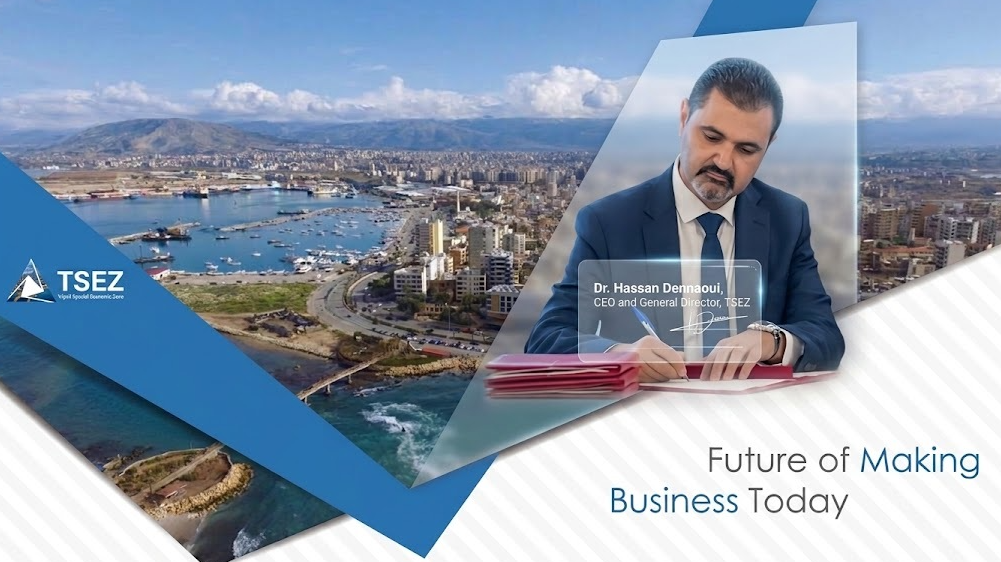
TSEZ – A New Strategic Milestone
Dear Government Partners, Contributors and Stakeholders,
We are pleased to share another important milestone in the development journey of the Tripoli Special Economic Zone (TSEZ).
We are proud to announce that the Council of Ministers has approved the studies related to the TSEZ Industrial Logistics Center and authorized the TSEZ Authority to proceed with the qualification process for the selection of an international developer/operator.
This decision marks an important transition from planning and preparation to project implementation. The TSEZ Authority will now proceed with the preparation and launch of an international Request for Qualification (RFQ), to be published through recognized international tendering platforms, opening the process to qualified international and regional developers and operators.
The Industrial Logistics Center is a cornerstone of the TSEZ vision and an important component of the broader economic and logistics ecosystem being developed around the Port of Tripoli and Northern Lebanon.
This milestone would not have been possible without the trust, support and commitment of the Lebanese Government, our public-sector partners, contributors, economic institutions and all those who have continued to believe in the potential of TSEZ and its role in the economic development of Tripoli and Lebanon.
On behalf of the TSEZ Board, we extend our sincere appreciation to the Council of Ministers and all concerned ministries and institutions for their confidence in TSEZ and for enabling the Authority to move forward with this important step.
We also extend our deepest gratitude to our contributors and stakeholders whose financial, institutional and moral support has enabled TSEZ to progress from a long-standing vision toward tangible projects and implementation.
For the TSEZ Board, this approval represents not only an achievement, but also a responsibility to deliver.
Our commitment remains clear: to transform the confidence placed in TSEZ into investment, jobs, industrial and logistics activity, and sustainable economic value for Tripoli, North Lebanon and the country as a whole.
The next phase is beginning.
From studies to qualification.
From qualification to investment.
From vision to implementation.
TSEZ is moving forward.
Dr. Hassan Dennaoui
CEO & General Director
Tripoli Special Economic Zone (TSEZ)
](https://tsez.gov.lb/uploads/images/2026/09/04/9898-8245-4792-2837-1788519020.png) September 04, 2026
Tripoli Special Economic Zone Joins Lebanese Government Delegation to Dubai to Explore the UAE’s Economic and Free Zone Experience
Tripoli Special Economic Zone Joins Lebanese Government Delegation to Dubai to Explore the UAE’s Economic and Free Zone Experience
The Tripoli Special Economic Zone (TSEZ) participated in the official Lebanese government delegation to the United Arab Emirates as part of a program organized by the UAE Ministry of Cabinet Affairs’ Government Knowledge Exchange Office. The visit aimed to explore the UAE’s leading experiences in government development, economic growth, investment, free zones, trade, ports, logistics, digital transformation, and artificial intelligence.
The Lebanese delegation was headed by H.E. Dr. Amer Bisat, Minister of Economy and Trade, and H.E. Dr. Kamal Chehade, Minister of State for Technology and Artificial Intelligence and Minister of the Displaced. It included a number of senior Lebanese officials, among them Dr. Hassan Dannawi, Chairman of the Board of Directors of the Tripoli Special Economic Zone.
The program featured a series of meetings with senior UAE officials, as well as specialized sessions focusing on strategic planning, future foresight, bureaucracy elimination, artificial intelligence, digital transformation, and the development of government services, alongside discussions on the economy, trade, and investment.
The delegation also undertook field visits to leading economic and logistics institutions and facilities, most notably DP World and Jebel Ali Free Zone (JAFZA). These visits provided first-hand insight into advanced models of port and free zone management, investment attraction, business facilitation, and the integration of economic zones into global trade and logistics networks.
For the Tripoli Special Economic Zone, the visit provided a valuable opportunity to gain direct insight into the UAE’s experience in developing integrated economic ecosystems that bring together free zones, ports, logistics services, and investment. This experience is particularly relevant to Tripoli, given the TSEZ’s strategic location and proximity to the Port of Tripoli, Tripoli Oil Refinery, and René Moawad International Airport, as well as its anticipated role in attracting businesses and investment, strengthening trade flows, and creating employment opportunities in North Lebanon.
The visit also provided an important platform for expanding channels of communication and knowledge exchange with UAE institutions, while exploring future areas of cooperation and opportunities to enhance the services offered to investors. These efforts contribute to strengthening the TSEZ’s readiness and capacity to adopt international best practices in the management of economic zones, ports, and supply chains.
TSEZ’s participation reflects its commitment to developing a modern economic model centered on investment, innovation, digitalization, and logistics integration, while drawing on successful international experiences to position Tripoli as a more competitive and connected economic and logistics hub serving regional and international markets.
The visit marks an important step in strengthening Lebanese–UAE cooperation and paves the way for further knowledge exchange, partnership development, and the exploration of investment, economic, and logistics opportunities. It further reinforces the role of the Tripoli Special Economic Zone as a catalyst for economic growth and sustainable development in North Lebanon.
 June 9, 2026
The Economic Zone reaffirms its support for the 'Tripoli Development 2035' initiative
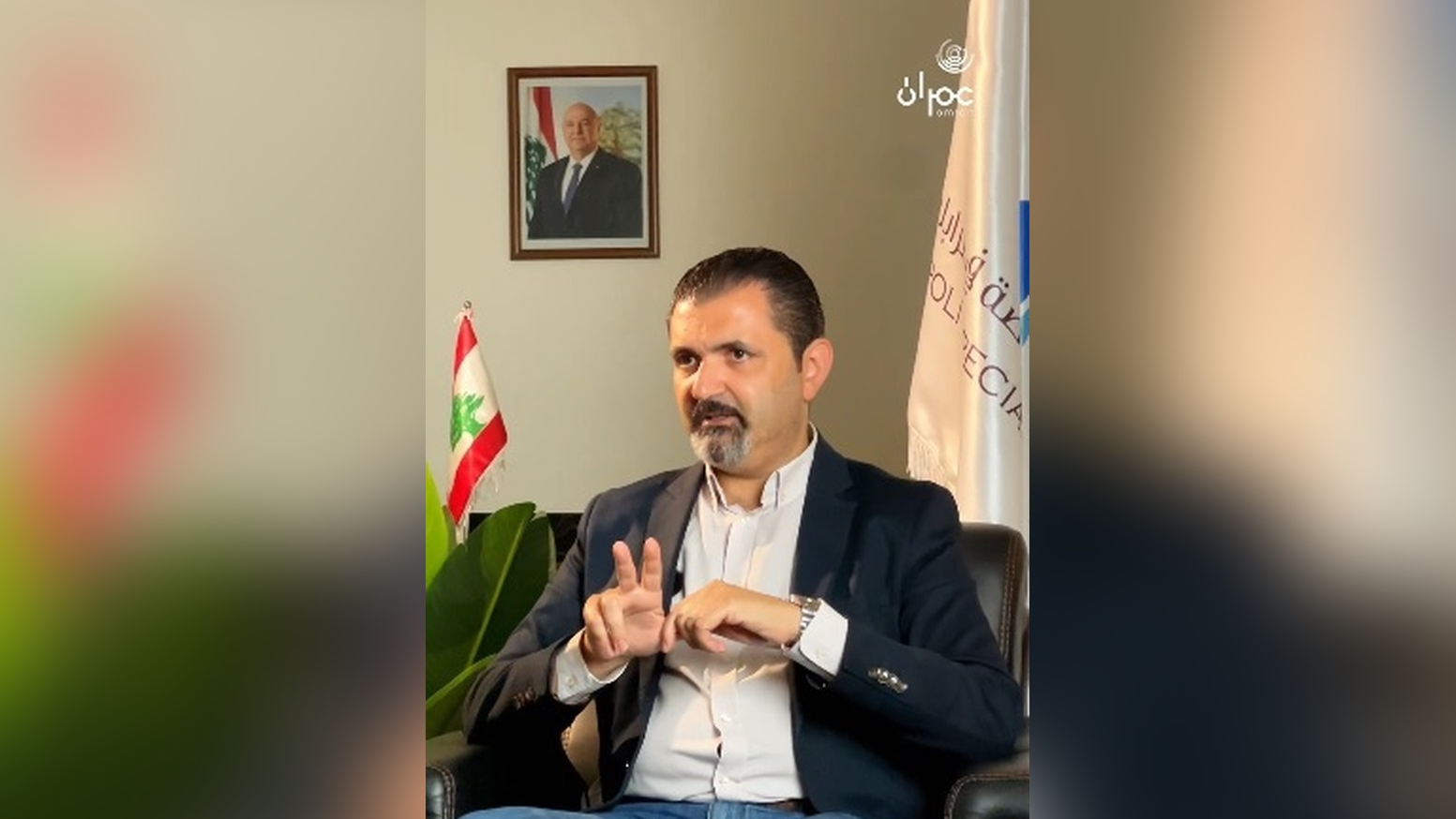
Dr. Hassan Dhannawi, Chairman of the Board of Directors of the Tripoli Special Economic Zone (TSEZ), received a delegation of businessmen and businesswomen led by businessman Samer Kabbara. The meeting comes as part of the ongoing preparations to launch the "Tripoli Development 2035" conference, which aims to establish an integrated economic and developmental vision for the city and Northern Lebanon.
During the meeting, the delegation presented the initiative's primary objectives and core pillars. Both sides emphasized the importance of unifying the efforts of various economic and developmental institutions alongside the private sector to enhance Tripoli’s position as an economic, investment, and logistical hub on both national and regional levels.
Dr. Dhannawi affirmed that the Tripoli Special Economic Zone views this initiative with great optimism, as it represents an opportunity to foster dialogue among various economic partners and build a shared vision based on the city's promising potential—most notably the Port of Tripoli, the Special Economic Zone, and the Rachid Karami International Fair.
He underscored the Economic Zone’s commitment to supporting all initiatives aimed at stimulating investment, creating job opportunities, and promoting sustainable development, confirming its readiness to cooperate and contribute to the success of the "Tripoli Development 2035" conference in a way that serves the interests of the city, the North, and Lebanon as a whole.
For his part, Kabbara outlined the goals of the upcoming conference, noting that it serves as an inclusive platform for dialogue, planning, and cooperation among various stakeholders in the economic and developmental sectors. The ultimate goal is to develop practical, executable projects and initiatives that contribute to driving growth, attracting investments, and building confidence in Tripoli's capabilities and developmental assets.
At the conclusion of the meeting, both parties stressed the importance of continued coordination and cooperation among various economic figures and relevant institutions to guarantee the success of the initiative and translate its outcomes into actionable steps that achieve the desired development and secure Tripoli's economic future.
 May 22, 2026
The 100-Day Plan to Revitalize Tripoli Economically
Tripoli Special Economic Zone: A Strategic Vision for Economic Revival
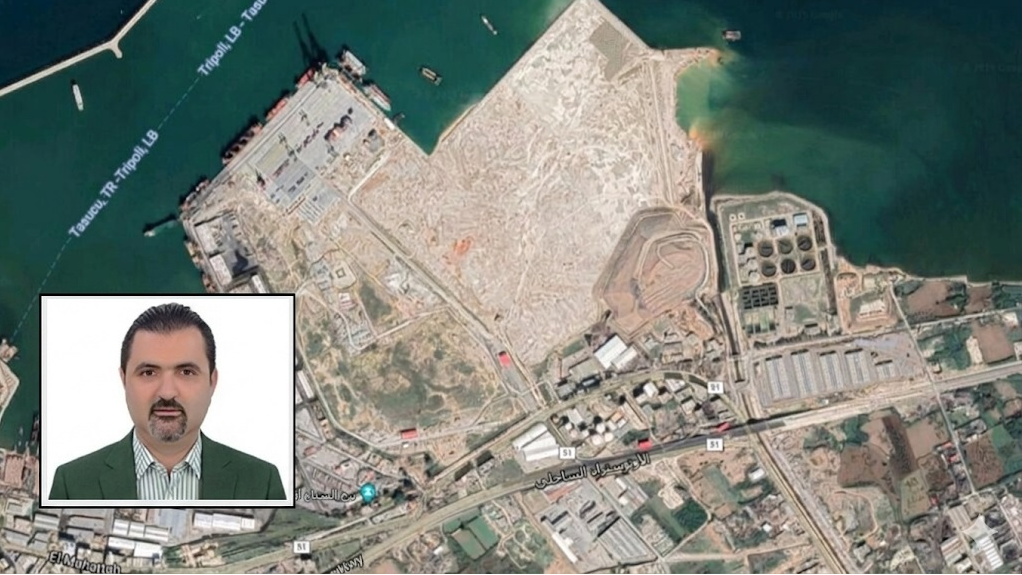
The Chairman of the Tripoli Special Economic Zone (TSEZ), Dr. Hassan Dnaoui, confirmed that the zone is currently going through a "very good" phase. He noted direct government support from Prime Minister Nawaf Salam, alongside the active involvement of numerous relevant ministers, foremost among whom are the ministers of Economy, Public Works, Finance, Labor, and Industry. He explained that this support is coupled with the efforts of a "dedicated and active" board of directors that directly oversees the files at hand.
In an exclusive interview with Democratia News, Dnaoui stated that his connection to Tripoli is not merely professional, but stems from a "personal faith" in the city and its capabilities. He pointed out that while he always considered Tripoli to be "marginalized," it simultaneously possesses the foundations and assets that enable it to rise again. He added that the idea of reactivating the Special Economic Zone also came as a result of communication with the Prime Minister's office and the Minister of Economy, within the framework of an official directive to place Tripoli back on the national economic map. When asked about his vision for the TSEZ, Dnaoui said it will serve as the "economic lever" for the city first, and for Lebanon second, viewing the zone not just as an administrative project, but as an actual tool to stimulate the local economy, attract investments, and create job opportunities.
The "100-Day Plan" and Its Four Key Pillars
Regarding the "100-Day Plan" presented to the Prime Minister, Dnaoui explained that the goal was to demonstrate that the zone has a clear vision and a practical roadmap that can be executed within a specific timeframe. He noted that the plan rests on four main pillars:
Pillar 1: Independent Headquarters
The implementation began by securing independent offices for the economic zone on its own land, which was achieved by laying the foundation stone for the new headquarters.
Pillar 2: PPP Advisory
Appointing a specialized consultant for the Public-Private Partnership (PPP) file regarding the land adjacent to the Port of Tripoli. He clarified that KPMG, Dar Al-Handasah, and Mohamed Alem & Associates Law Firm have been appointed for this task. They will support the zone for approximately six months in developing the tender specifications (دفتر الشروط), evaluating previous studies completed in 2023, and guiding the bidding phase up to the awarding and signing of the contract.
Pillar 3: Revitalizing the Rachid Karami International Fair
Reviving the relationship between the economic zone and the Rachid Karami International Fair through the "Innovation and Knowledge Center" project on the fairgrounds. This is a joint project for the city, and preparations have reached their final stages prior to signing the agreement, paving the way for its launch very soon on an area of approximately 20,000 square meters.
Pillar 4: The One-Stop Shop
Developing the licensing system and the "One-Stop Shop" so that investors can benefit from financial and administrative incentives and secure licenses quickly without going through traditional procedures within state departments. Dnaoui stressed that this step could not have been achieved without the cooperation, support, and funding of the Port of Tripoli, in addition to the tender launched to appoint a specialized consultant for this system.
Institutional Support and Funding Challenges
Dnaoui highlighted the role of syndicates and economic bodies in the city, noting that the Order of Engineers in Tripoli, headed by Chairman Shawki Fatfat, and the Chamber of Commerce, Industry, and Agriculture in Tripoli and the North, led by Toufiq Dabboussi and its board of directors, provided financial and moral support for the projects. Furthermore, 32 private companies contributed to the fund designated for this purpose. He considered this support a reflection of serious faith among Tripoli's prominent figures in the project's chances of success.
On the obstacles facing the plan, Dnaoui stated that they have not been major so far, but funding remains the most prominent challenge, whether regarding the new headquarters or other operational and consultancy costs. He explained that some projects would not have been realized without contributions from the private company sector and supporting entities in the city.
Targeted Investments and Zonal Specialization
Regarding the nature of targeted investments, Dnaoui explained that the zone adjacent to the Port of Tripoli is primarily designated for logistical and industrial investments, particularly light and medium industries. This includes agro-food, wood, iron, aluminum, petrochemical, and pharmaceutical industries, as well as industrial assembly.
On the other hand, the second zone, linked to the Rachid Karami International Fair, is dedicated to non-industrial activities such as technology, artificial intelligence, and financial, administrative, and engineering services—"everything that is non-industrial," as he put any it. Dnaoui added that this concept transforms the economic zone into a diverse space that attracts companies and institutions from outside the city, helping to revitalize the Fair, operate its hotel, and stimulate economic activity throughout Tripoli.
Investment Incentives and Public Coordination
In terms of investment incentives, he explained that the economic zone offers extensive financial and tax exemptions. These include exemptions from several taxes and fees, corporate tax, income tax, employment tax, and social security contributions, while maintaining specific obligations related to health coverage and end-of-service indemnities. He noted that these incentives, along with the One-Stop Shop system, provide investors with a favorable and low-burden environment.
Dnaoui emphasized that cooperation with ministries and official institutions remains an essential element for the success of this plan. Work involves the ministries of Economy, Industry, Finance, Interior, Labor, and Agriculture, alongside water, electricity, and telecommunications institutions, as well as the Municipality of Tripoli, the Port of Tripoli, and the Rachid Karami International Fair. He pointed out that the relationship with these entities has become "highly cooperative" and is based on direct coordination across multiple files.
Regarding cooperation with the Port of Beirut, Dnaoui stated that integration among Lebanese ports is necessary. Since some shipping lines do not reach the Port of Tripoli but do reach Beirut, coordination between both ports serves the direct interest of companies and institutions operating within the Tripoli Special Economic Zone.
Timeline, Job Creation, and the Future of Tripoli
When asked about other projects and agreements in the pipeline, he clarified that the zone is currently focused on finalizing the two primary projects before moving to additional agreements. He hinted at upcoming cooperation protocols with syndicates and institutions, including the Lebanese Center for Arbitration and Mediation, aiming to adopt clear mechanisms for arbitration and mediation in commercial disputes.
On the timeline, Dnaoui expects tangible results to begin appearing next summer with the launch of the first bidding process for the "Innovation and Knowledge Center" project, hoping it will coincide with the bidding for the hotel. He noted that the project adjacent to the Port of Tripoli might see its bidding launched by the end of this year, with the contract awarded during the first quarter of 2027, provided things progress according to plan.
Regarding job creation, Dnaoui said that the zone adjacent to the port could provide between 3,000 and 4,000 jobs in phases over three to five years, offering direct and indirect opportunities in construction, operation, and employment. Meanwhile, the "Innovation and Knowledge Center" project could provide between 500 and 600 jobs in the technology, management, and services sectors. He stressed that these projects will not be limited to direct employment, but will positively impact the broader economic activity in Tripoli and the North, including retail, wholesale, services, transportation, and trade, ultimately creating an integrated economic cycle within the city.
A Message to Youth and the Impact of Qoleiat Airport
In his message to the youth of Tripoli, Dnaoui emphasized the importance of linking university and technical education with market needs. He revealed that a study titled "Skills Gap Analysis" is being prepared to identify the gap between the skills required in the economic zone and what universities and technical institutes are producing. He called on educational institutions to leverage this study and align their specializations with labor market demands. He noted that Tripoli used to suffer from a brain drain to Beirut and abroad due to the scarcity of job opportunities, but this equation is starting to change, as the city stands on the cusp of a new phase that could create genuine opportunities for its youth.
Regarding the impact of tendering and operating René Mouawad Air Base (Qoleiat Airport) on the economic zone, Dnaoui explained that operating part of the airport for air cargo, and linking it to the port and the economic zone via railway, will grant Tripoli and the North additional economic value—particularly in exports, logistics, and passenger movement. He pointed out that the airport's proximity to the city gives it a distinct advantage in terms of time and transit.
Actions, Not Words
Responding to those who feel that Tripoli has heard plenty of plans without execution, Dnaoui stated that people "have every right" to ask this question because what matters to them today are actions, not words. He stressed that the response will come through the actual commencement of projects during the summer, as execution alone delivers real positive signals.
He concluded by saying that the most crucial pledge to the people of Tripoli is that the city will witness a "serious project" taking off in the coming months. Success in this phase will serve as an indicator of Tripoli's return to its natural economic position.
Hanine Khalaf
Original Article
 May 20, 2026
Minister Bissat, Accompanied by Chamber President Dabboussi, Tours the Tripoli Special Economic Zone Headquarters
Tripoli – The Minister of Economy and Trade, Dr. Amer Bissat, accompanied by the President of the Chamber of Commerce, Industry, and Agriculture of Tripoli and the North, Toufic Dabboussi, toured the headquarters of the Tripoli Special Economic Zone (TSEZ). They were received by the Chairman of the TSEZ General Authority, Dr. Hassan Dennaoui, alongside Board Members Ms. Hania Chahal, Mr. Michel Kebbé, Mr. Abdul Majeed Al-Rafei, and Mr. Ibrahim Touma, as well as Government Commissioner to the Zone, Mr. Wassim Marhaba. During the visit, Minister Bissat was briefed on ongoing projects and available investment opportunities within the zone.
Minister Bissat emphasized that:
"The Special Economic Zone constitutes the backbone of any developmental plan for Tripoli and the North, given its vital role in linking industrial and logistical sectors to the Port of Tripoli and the Rene Mouawad (Qlayat) Airport, in addition to its integration with the Rachid Karami International Fair."
The Minister praised the steps being taken by the Zone's management, particularly regarding the finalization of procedures for leasing its designated lands, as well as efforts to establish the Knowledge and Innovation Center (KIC) in cooperation with the International Fair. He noted that "these projects serve as a vital link connecting the city's various economic sectors."
Dr. Dennaoui's Statement
For his part, Dr. Hassan Dennaoui explained that the Minister's visit "aims to reaffirm official state support for the Economic Zone and to review the developments achieved over the past few months." He noted that the meeting provided an opportunity to outline the main challenges and obstacles facing the Authority's operations, especially since the Ministry of Economy and Trade is one of the primary governmental entities directly involved in the Zone's portfolio.
Dr. Dennaoui further highlighted that the Minister expressed full readiness to provide support, which aligns with the ongoing backing received from Prime Minister Nawaf Salam and the Presidency of the Lebanese Republic. He stressed the vital importance of cooperation with various ministries and public institutions to strengthen the Economic Zone's role, stimulate investment, and drive development in Tripoli and the North.
Watch the Full Video Reportage
 May 20, 2026
TSEZ RECOGNIZED AS A NATIONAL PPP PROJECT IN LEBANON
The Tripoli Special Economic Zone (TSEZ) proudly announces a major milestone in its development journey: The Higher Council for Privatization and PPP has officially given preliminary acceptance to the TSEZ project as one of the Lebanese National PPP projects supported by the Government of Lebanon.
This strategic decision marks a significant achievement for the TSEZ Board and reflects growing national confidence in the role of TSEZ as a key driver for economic growth, investment attraction, and sustainable development in Lebanon.
The inclusion of the project within the national PPP framework represents the starting point for the next phase of the TSEZ project development, paving the way for enhanced institutional support, strategic partnerships, and future implementation opportunities.
TSEZ remains committed to creating a competitive economic platform that contributes to regional prosperity, job creation, and long-term economic transformation.
We extend our appreciation to all partners and stakeholders whose continued support has made this milestone possible.
 May 14, 2026
Reviving the Tripoli - Aboudieh line
Minister Rasamny:
"God willing, the entire North will prosper in every sense of the word!"
Dr. Hassan Dennaoui:
"The connection between the port and the Syrian border will serve as a foundational pillar for our commercial activity. As a Special Economic Zone—in both its logistical and industrial components—we will be at the forefront of beneficiaries from this railway connectivity. It complements maritime transport and opens vital horizons through the Syrian depth toward Gulf and European markets."
Watch complete Video
 May 12, 2026
Boosting Tripoli's economic cooperation between public and private sectors
The Minister of Public Works and Transport, Fayez Rasamny, met today in his office with the Board of Directors of the Tripoli Special Economic Zone (TSEZ), headed by Dr. Hassan Dhannawi. During the meeting, the Minister was briefed on plans to develop the economic zone, aimed at attracting local and foreign investment, boosting exports, and enhancing integration between the zone and the ports of Tripoli and Beirut.
The discussion also touched upon ways to develop future projects within the economic zone in cooperation with the private sector, in an effort to strengthen investment and stimulate economic activity.
Furthermore, the parties discussed the significance of the Qleiat Airport and its future role in supporting economic movement. They explored linking the airport to the Tripoli Special Economic Zone to foster integration between vital facilities and support growth and investment opportunities in Lebanon.
 April 22, 2026
Announcement of Strategic Tender for Consultancy Services (Extended till June 24)
The Port of Tripoli and the Tripoli Special Economic Zone are pleased to announce the launch of a strategic tender for the selection of a qualified consultancy firm.
We are seeking firms with proven expertise in:
- Port fee model development
- SEZ licensing regime development
- SEZ legal and regulatory frameworks development
- Implementation of an SEZ One-Stop Shop (OSS) system
This tender represents a unique opportunity to contribute to the advancement of a key economic hub and play a role in shaping its future growth and competitiveness.
We invite all qualified and interested firms to submit their proposals.
For full details, including the scope of work and submission requirements, please refer to the link below:
Request for Proposals for Consulting Services
 February 17, 2026
Can Tripoli be the economic alternative in a time of collapse?
Amidst the economic crisis and regional conflicts, Tripoli emerges as a pivotal economic bet for Lebanon, driven by the reactivation of vital facilities such as the Port, the Rashid Karami International Exhibition Center, the Special Economic Zone (TSEZ), and the Rene Mouawad-Qleiat Airport.
Mr. Toufiq Dabboussi emphasized the necessity of solidarity and strategic planning to bolster the city’s role by developing these facilities and supporting the national economy. Meanwhile, Dr. Hani Shaarani noted that while investment has been impacted by the war, existing projects continue to be implemented alongside preparations for new opportunities.
Dr. Hassan Dhannawi opined that shifts in global trade provide Tripoli with the chance to become a logistics hub connecting the Gulf to the Mediterranean, thanks to its strategic location. Furthermore, Dr. Ahmed Tamer pointed out a slowdown in operations due to political anxiety, while anticipating a near settlement that could reinvigorate the economy. Ultimately, Tripoli stands before a genuine opportunity, conditioned upon stability and the effective investment of its potential.
 January 26, 2026
Tripoli Chamber and Special Economic Zone Reaffirm Ongoing Partnership and Economic Integration
Tripoli, Lebanon — The President of the Tripoli and North Chamber of Commerce, Industry and Agriculture, Mr. Toufic Dabboussi, received the Chairman of the Tripoli Special Economic Zone (TSEZ), Dr. Eng. Hassan Dannawi, accompanied by board members Ms. Dima Hussein, Mr. Michel
Kebbe, and Eng. Hania Chahal. The meeting took place in the presence of the Chamber's Director General, Ms. Linda Sultan, and the President of BIAT Association, Mr. Nasri Mouawad.
Dr. Dannawi explained that the visit aimed to reaffirm the ongoing partnership between the Tripoli Chamber and the Special Economic Zone. Discussions focused mainly on joint projects, the Chamber's continued support to the Zone, and future steps toward stronger economic integration between the broader economic vision promoted by the Chamber and the Special Economic Zone.
Dr. Dannawi emphasized that Greater Tripoli represents a supportive hub for the Lebanese economy. He also expressed that the ambitions of both institutions are high and that cooperation with Mr. Dabboussi is long-term and continuous.
Both parties highlighted the importance of strengthening collaboration to support economic development and investment in Tripoli and the North.
 January 15, 2026
Tripoli Special Economic Zone Board Visits Speaker of Parliament to Present Vision and Plans
Beirut, Lebanon — The Chairman of the Tripoli Special Economic Zone (TSEZ), Dr. Hassan Dannawi, accompanied by Board members Ms. Dima Hussein, Mr. Ibrahim Touma, Mr. Abdel Majid Al-Rafei, Mr. Michel Kebbe, and Mr. Youssef Mouawad, paid a courtesy visit to the Speaker of Parliament, H.E. Mr. Nabih Berri, following the start of the Board's mandate.
The meeting provided an opportunity to present the Zone's ongoing work and projects, as well as the available approaches to activate and strengthen its economic and developmental role. Discussions also covered the necessary steps to enhance cooperation with relevant public institutions and stakeholders.
The Board shared its vision and plans for the coming period, focusing on stimulating investment and creating job opportunities, with the objective of strengthening Tripoli's position as a promising economic and logistics hub at both the national and regional levels.
Speaker Berri welcomed the Board and expressed his full support for the Special Economic Zone, wishing the Board success in carrying out its responsibilities.
 December 18, 2025
President of the Republic Receives Tripoli Special Economic Zone Board and Expresses Support for Balanced Development
Baabda, Lebanon — The President of the Republic, H.E. General Joseph Aoun, received the Chairman of the Tripoli Special Economic Zone (TSEZ), Dr. Hassan Dannawi, accompanied by Board members Ms. Hania Chahal, Ms. Dima Khalil Hussein, Mr. Ibrahim Touma, Mr. Abdel Majid Al-Rafei, Mr. Michel Kebbe, and Mr. Youssef Mouawad, at Baabda Palace.
The visit provided an opportunity to stress the importance of launching the effective operations of the Special Economic Zone at the start of the new year, given its expected role in driving economic and developmental progress in Tripoli, North Lebanon, and Lebanon as a whole.
During the meeting, the Board presented the Zone's future vision and the practical steps currently underway to attract investments and create job opportunities. The Board also highlighted the need for official support to activate priority projects and to overcome obstacles that have delayed the Zone's full operational start.
President Aoun commended the efforts of those managing the Special Economic Zone and encouraged them to work toward revitalizing Tripoli in particular and North Lebanon in general. He noted that the people of the North deserve to benefit from balanced development.
The President emphasized the responsibility of the Board to make the Special Economic Zone a space for productive activity, stating that the Board has the necessary capabilities to achieve this goal. He stressed the importance of unity and teamwork, noting that time is a critical factor.
He also pointed to the promising role of the North in the coming period, highlighting the presence of Tripoli Port, the future operation of René Moawad Airport in Qlayaat, and plans to establish a railway line linking Tripoli to the Syrian border, all of which can support economic growth in the region.
 December 8, 2025
Finance Minister Discusses Economic Activation of Tripoli Special Economic Zone
Minister of Finance Yassin Jaber met with a delegation from the Tripoli Special Economic Zone, headed by Mr. Hassan Dannawi, to discuss the Zone's work and ways to activate its role.
The Minister emphasized the importance of the Special Economic Zone for the Lebanese economy and its potential role in supporting regional activities, including expected reconstruction efforts in Syria. He also highlighted the importance of Tripoli Port and ongoing customs modernization as supportive factors for economic growth.
Discussions on financial matters showed positive understanding toward supporting a stable launch of the Zone under its new management.