Tripoli, the Long-Kept Secret of Lebanon
Tripoli is Lebanon’s second-largest city, uniquely positioned on the eastern Mediterranean coast. With strategic infrastructure, revived economic facilities, and strong regional connectivity, the city is emerging as a future economic and logistics hub.
Why Tripoli?
Condensed Key Points
- Home to Lebanon’s second-largest port, with recent expansion and plans to double container capacity.
- Direct highway access to Beirut, Syria, and regional markets.
- A Special Economic Zone adjacent to the port supporting trade and investment.
- A 1 million m² international fairground in the city center.
- An airport with a 3 km runway, capable of handling commercial cargo and passenger aircraft.
- Planned railway connecting Tripoli to Syria and international rail networks.
Strategic Context
Tripoli’s proximity to Syria (28 km) and its historical economic and social ties position it as a key platform for regional trade and future reconstruction efforts.
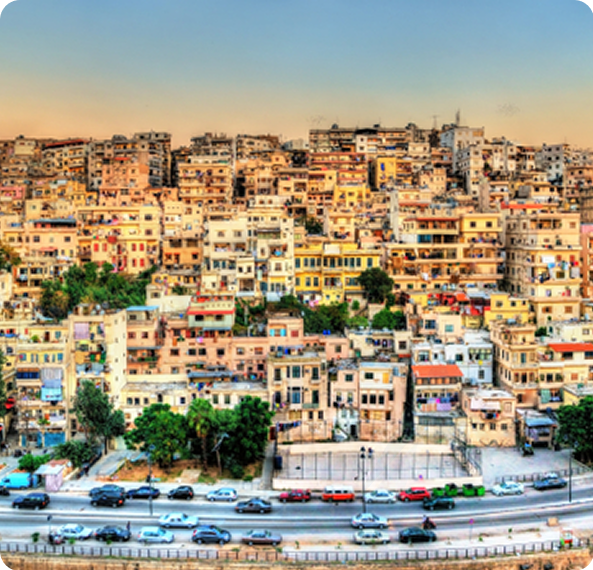
Live in the City
Culture
Tripoli has preserved its authentic Arab character, avoiding the over-commercialization seen in other cities. Its historic center, traditional souks, and strong community ties reflect the charm of old Lebanon.
Lifestyle
Life in Tripoli moves at a balanced pace, combining tradition with modernity. The city is welcoming, walkable, and rich in local food culture, markets, and social interaction.
Economy
Tripoli hosts diverse economic activities including traditional industries (furniture, soap, copper), trade, services, and emerging sectors such as ICT and innovation. Development initiatives like Tripoli Vision 2020 aim to revitalize investment, skills, and economic output.
Accommodations
Tripoli offers a range of accommodations, from traditional guesthouses to modern hotels, supporting both tourism and business visitors.